Let’s be honest. Most conversations about menopause start and end with hot flashes. Someone jokes about it, someone else nods, and the subject moves on. But if you are actually living through menopause or quietly wondering if it has already started, you know that what is happening to your body feels like a lot more than just feeling warm sometimes.
Menopause is one of those topics that has been talked about just enough for people to think they understand it, but not nearly enough for the women going through it to feel truly prepared. And that gap, between what people assume and what is actually happening, is exactly what we want to close here. This article covers the full picture of menopause symptoms, including the ones that rarely make it into casual conversation.
No medical jargon. No scare tactics. Just clear, honest information so you can understand what your body is doing and why.
What Menopause Actually Is
Before diving into symptoms, it helps to understand what menopause is at its core. Menopause is a natural biological transition that marks the end of a woman’s menstrual cycles. It is officially confirmed when a woman has gone 12 consecutive months without a period. For most women, this happens somewhere between the ages of 45 and 55, though it can occur earlier or later. The transition does not happen overnight. There is a lead-up phase called perimenopause that can last anywhere from a few months to several years. During this time, hormone levels, especially estrogen and progesterone, begin to shift and fluctuate. Those hormonal changes are what drive the wide range of symptoms women experience. Understanding that menopause is a process rather than a single event makes the symptoms make a lot more sense.
The Symptoms That Get All the Attention
Hot Flashes
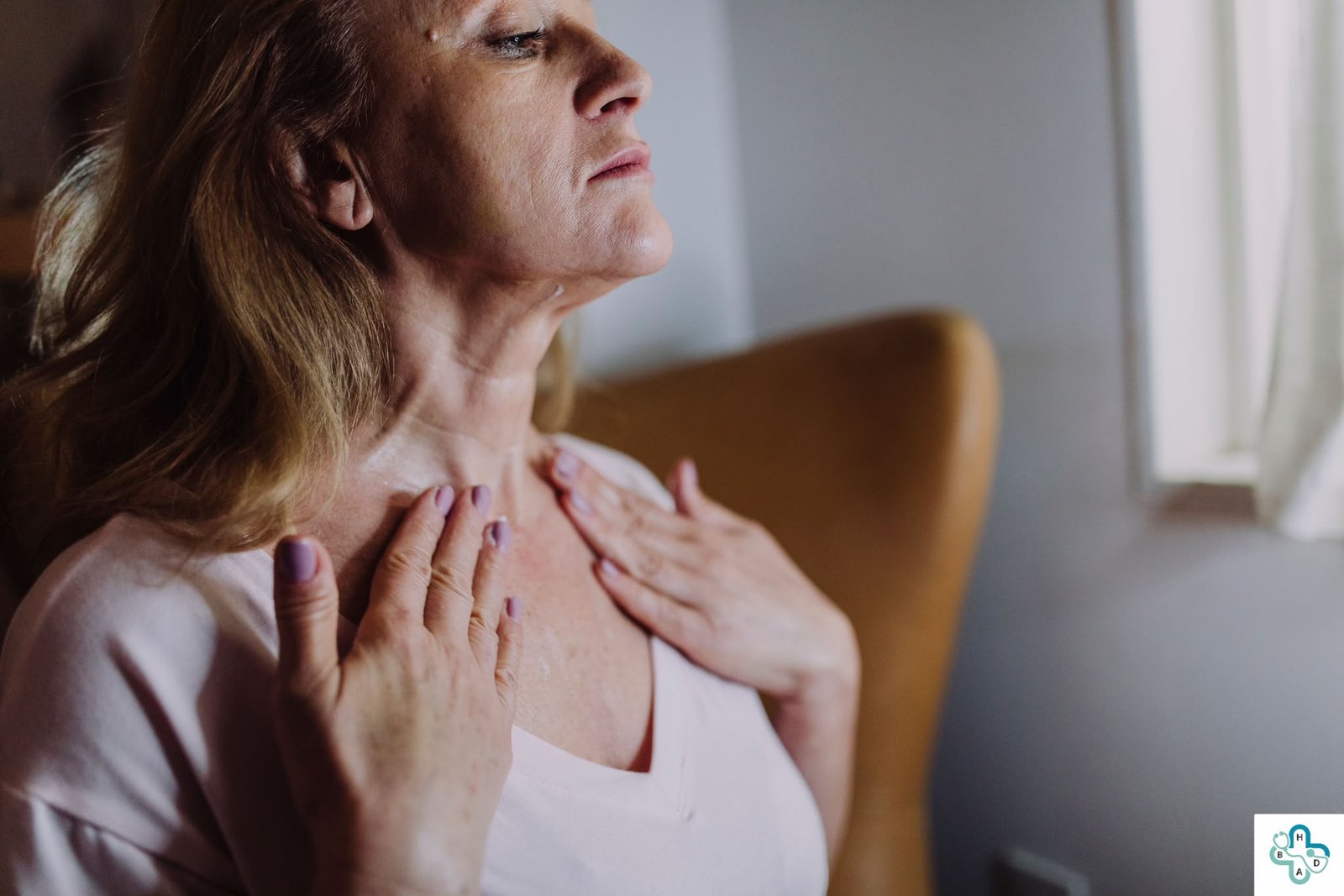
Hot flashes are the most well-known symptom, and they earn their reputation. A hot flash is a sudden feeling of intense warmth that spreads through the chest, neck, and face. It can come with flushing, sweating, and a rapid heartbeat, and it can pass in a few minutes or linger for longer.
Some women experience them a handful of times a day. Others have them more frequently. They can happen during the day or jolt you awake in the middle of the night, which is when they are often called night sweats.
Irregular Periods
In perimenopause, periods become unpredictable. They might come closer together, further apart, be heavier than usual, lighter than usual, or simply stop and then return. This irregularity is one of the earliest signs that the transition has begun.
Vaginal Changes
Declining estrogen levels affect the vaginal tissues, making them thinner and drier. This can lead to discomfort during everyday activities and during sex. It is more common than most people realize, and it is something many women deal with quietly because it does not come up in typical conversations about menopause.
The Symptoms That Do Not Get Enough Attention
This is where things get more interesting, and honestly more important.
Sleep Problems
Many women going through menopause find that sleep becomes difficult even on nights when hot flashes are not the issue. Falling asleep takes longer. Waking up in the middle of the night becomes routine. That deep, restorative sleep feels harder to reach. The hormonal shifts happening during this time affect the body’s natural sleep regulation. Some women describe it as their brain simply not being able to wind down the way it used to. Over time, disrupted sleep affects energy, mood, focus, and overall wellbeing in ways that can feel overwhelming if you do not connect it back to what is happening hormonally.
Mood Changes
Feeling more irritable than usual. Getting emotional over things that would not have bothered you before. Feeling anxious without a clear reason. Experiencing low moods that seem to come and go without warning. These mood changes are real, and they are connected to the hormonal fluctuations happening in the body. Estrogen plays a role in the regulation of serotonin, which is a brain chemical closely tied to mood.
When estrogen levels become unpredictable, mood can follow suit. This is not weakness. It is not stress, and it is not in your head. It is a physiological response to a very real hormonal shift.
Brain Fog
A lot of women describe a mental cloudiness during menopause that is hard to put into words. You walk into a room and forget why you went there. You lose track of what you were saying mid-sentence. Concentrating on tasks that used to feel easy suddenly requires much more effort. This is commonly called brain fog, and it is one of the most frequently reported but least discussed menopause symptoms. It tends to improve as the body adjusts to new hormone levels, but it can be unsettling when it is happening and you do not know what is causing it.
Joint and Muscle Discomfort
This one surprises many people. Estrogen has an anti-inflammatory effect in the body, and as levels drop, some women begin to notice more aching in their joints and muscles. Stiffness in the morning. Tenderness in areas that never used to bother them. It is easy to blame this on aging or a hard week, and sometimes that is all it is. But for women in the middle of the menopause transition, it can also be directly connected to the hormonal changes taking place.
Changes in Skin and Hair
The skin may become drier, less elastic, and more prone to irritation. Some women notice that their hair feels thinner or that it is shedding more than usual. These changes can be subtle at first and then become more noticeable over time. Collagen production is influenced by estrogen, so the shift in hormone levels affects the skin’s texture and firmness. This does not mean these changes are dramatic or inevitable for everyone, but understanding the connection helps explain why some changes seem to happen so suddenly.
Heart Palpitations
Some women experience moments where their heart seems to race, flutter, or skip a beat. These episodes can be startling, especially if you have never noticed them before. In many cases during menopause, they are connected to the hormonal changes affecting the cardiovascular system and the nervous system’s response to those changes. That said, any new or concerning heart symptoms should always be discussed with a doctor to rule out other causes.
Changes in Libido
Shifting hormone levels can affect sexual desire. Some women notice a decrease in interest. Others notice that physical comfort during intimacy has changed. Both of these experiences are more common than most people openly discuss, and both are directly tied to the hormonal changes happening during this phase of life.
Why These Symptoms Feel So Different for Everyone
Two women can go through menopause at the same age and have completely different experiences. One might breeze through with minimal disruption. Another might find the transition physically and emotionally exhausting. Both experiences are valid, and both are normal. Factors like genetics, overall health, lifestyle, stress levels, and even geography can influence how menopause unfolds for a specific person. This is part of why general health information about menopause can only go so far. Every woman’s body brings its own history to this transition. What is universal is that these symptoms are real, they are connected to real hormonal shifts, and they deserve to be taken seriously rather than dismissed or minimized.
When to Talk to a Doctor
Menopause is a natural transition and not a medical emergency, but that does not mean you have to simply push through it without support. If symptoms are disrupting your sleep on a regular basis, affecting your mood significantly, making daily life harder to manage, or if anything feels unusual or concerning, a conversation with a healthcare provider is always worth having. There are options available that can help manage symptoms, and a qualified medical professional is the right person to guide you through them. This article is meant to inform and help you understand what might be happening in your body. It is not a substitute for personalized medical guidance.
A Final Thought
Menopause is not something that happens to you. It is something your body moves through as part of its natural story. Understanding the full range of what that transition involves gives you something powerful: the ability to recognize what is happening, to stop second-guessing yourself, and to seek the right support at the right time. The symptoms nobody talks about are still symptoms. They are real, they matter, and now you know about them.
“The content on this website is for informational and educational purposes only. It is not intended as medical advice. Please consult a qualified healthcare professional for any personal health concerns.”