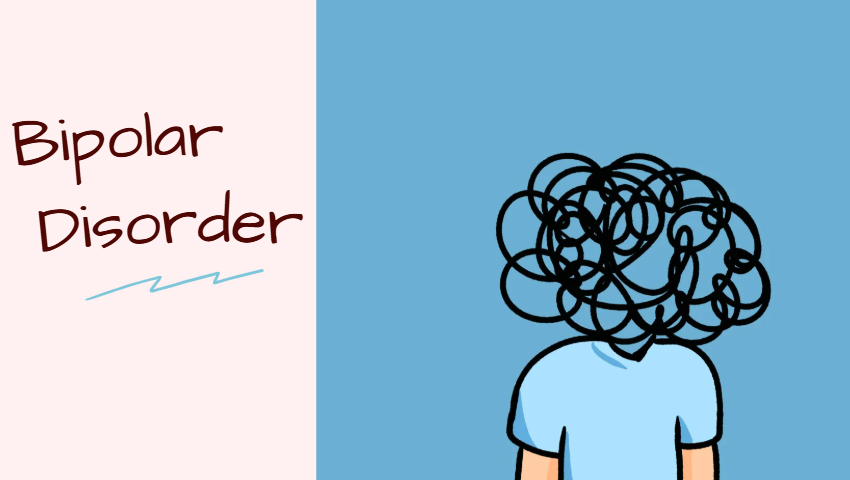
Everyone has good days and bad days. But for people living with bipolar disorder, mood is not just a passing feeling; it is a force that can completely reshape thoughts, energy, and behavior for days or weeks at a time. Understanding bipolar disorder means looking past the common stereotypes and seeing it for what it truly is: a serious but treatable mental health condition that affects millions of people worldwide.
More Than Just Mood Swings
Bipolar disorder is often reduced in everyday conversation to simply being moody or unpredictable. In reality, it involves distinct episodes of mania or hypomania, periods of unusually elevated energy, and depression, periods of deep low mood. These are not quick shifts that happen within a single day.
A manic episode might last a week or more, bringing racing thoughts, reduced need for sleep, impulsive decisions, and an inflated sense of confidence. A depressive episode can bring the opposite: overwhelming fatigue, hopelessness, difficulty concentrating, and loss of interest in activities once enjoyed.
The Different Types
Bipolar I disorder involves at least one full manic episode, which may be severe enough to require hospitalization, often followed by depressive episodes. Bipolar II disorder involves hypomania, a less intense form of mania, alongside depressive episodes that are often more prominent and disruptive. Cyclothymic disorder involves milder mood swings that persist over a longer period without meeting the full criteria for mania or major depression.
Each type varies in intensity, but all of them deserve equally serious attention.
What Causes It
Researchers believe bipolar disorder develops from a mix of genetic, biological, and environmental factors. Having a close family member with bipolar disorder increases risk, suggesting a strong hereditary component. Differences in brain structure and chemistry, particularly in areas that regulate emotion, also appear to play a role. Major stress, trauma, or significant life changes can sometimes trigger the first episode in someone who is already predisposed.
Recognizing the Signs
Because episodes can look so different from each other, bipolar disorder is sometimes misdiagnosed, particularly when someone seeks help only during a depressive phase. Signs of a manic episode may include unusually high energy, talking faster than usual, taking on multiple projects at once, spending money impulsively, or feeling as though sleep is unnecessary.
Depressive signs mirror major depression, including persistent sadness, low energy, withdrawal from friends and family, and difficulty finding motivation for daily tasks.
When these patterns repeat cyclically, it is worth discussing with a mental health professional.
Treatment That Actually Works
Bipolar disorder responds well to a combination of approaches. Mood-stabilizing medications form the foundation of treatment for most people, helping to even out the extreme highs and lows. Talk therapy, particularly approaches like cognitive behavioral therapy, gives people tools to recognize early warning signs and manage stress before it triggers a full episode.
Consistent sleep schedules, regular routines, and avoiding alcohol or recreational drugs also play a meaningful role in stability, since disrupted sleep is a well-known trigger for manic episodes.
Supporting Someone With Bipolar Disorder
If someone you love has bipolar disorder, patience and consistency matter more than trying to fix every mood shift. Learning to recognize their early warning signs, encouraging them to stick with treatment, and avoiding judgment during difficult episodes can make a significant difference in their stability and confidence.
Bipolar disorder is not a character flaw or a phase to be pushed through. It is a medical condition with real biological roots, and like most medical conditions, it responds to consistent, informed care. The more openly we talk about it, the easier it becomes for people to seek help without shame.
The Role of Routine and Self-Awareness
Many people living with bipolar disorder describe routine as one of their most powerful tools for stability. Going to bed and waking up at consistent times, eating meals on a predictable schedule, and building in regular check-ins with a therapist or psychiatrist all help reduce the chances of a sudden mood shift catching someone off guard. Mood tracking, whether through a journal or an app, can also help identify subtle early warning signs, like a slight drop in sleep need or a small uptick in irritability, before they grow into a full episode.
Breaking Down the Stigma
Bipolar disorder is one of the most misrepresented conditions in popular media, often portrayed through exaggerated or inaccurate stereotypes that have little to do with how the condition actually presents in real life. This kind of portrayal can make people hesitant to seek a diagnosis or talk openly about their experience, out of fear of being labeled unpredictable or unstable. In reality, with proper treatment, most people with bipolar disorder work, maintain relationships, and lead lives that look, from the outside, entirely ordinary.
Replacing dramatized stereotypes with accurate, compassionate information is an important step toward making it easier for people to seek help early rather than waiting until a crisis forces the issue. Friends, coworkers, and family members who take the time to learn the real signs, rather than relying on movies or offhand jokes, often become the first line of support that encourages someone to reach out for a proper evaluation.
“This article is for general educational and informational purposes only and is not intended as medical advice. If you have concerns about yourself or a loved one, please consult a qualified healthcare professional as soon as possible.”