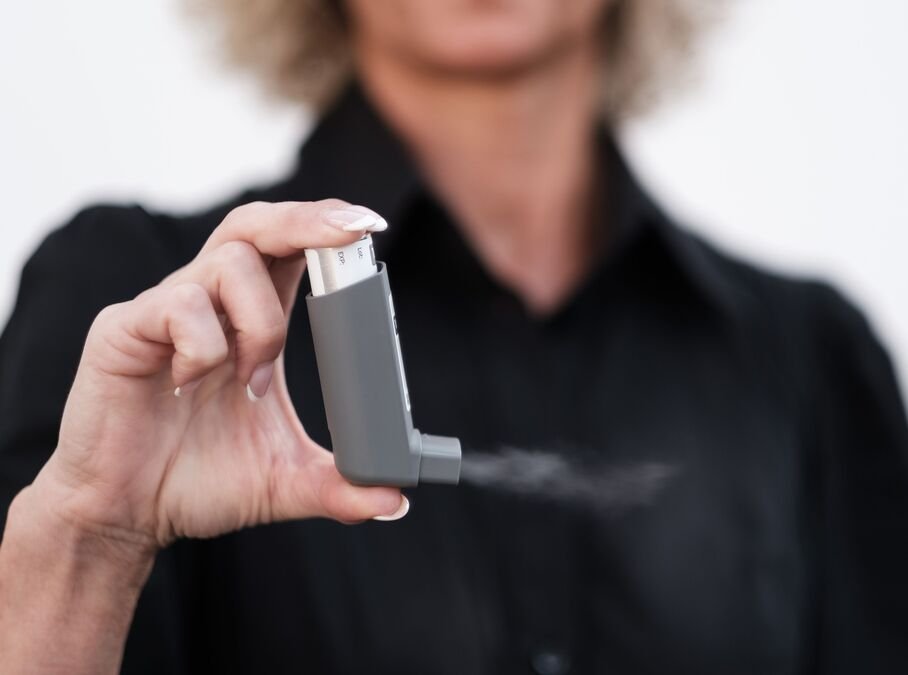
Ask most people to describe asthma, and you will likely hear the same answer: difficulty breathing. That is true, but it only tells part of the story. Asthma is a chronic condition that shows up in more ways than most people realize, and recognizing the fuller picture can help families catch it earlier, especially in children who cannot always describe what they are feeling.
What Happens During an Asthma Flare
Asthma is a condition in which the airways become inflamed and narrowed, making it harder for air to move in and out of the lungs. During a flare, the muscles around the airways tighten, the lining swells, and extra mucus can build up, all of which combine to restrict airflow. This is why asthma often feels like breathing through a narrow straw during an attack, even though breathing feels completely normal in between episodes.
Signs That Go Beyond Wheezing
Wheezing, a whistling sound during breathing, is the symptom most people associate with asthma, but it is far from the only one. A persistent cough, especially one that worsens at night or after exercise, is a common and often overlooked sign. Chest tightness, a feeling of pressure or someone sitting on the chest, is another frequent complaint. Shortness of breath during everyday activities, not just intense exercise, can also point toward asthma, as can frequent throat clearing or a cough that lingers long after a cold has cleared up.
In children, asthma can look different than adults might expect. Kids may seem unusually tired during play, avoid physical activities without clearly saying why, or develop a cough that flares specifically at night.
Common Triggers
Asthma triggers vary widely from person to person. Common culprits include pollen, dust mites, pet dander, mold, and air pollution. Cold air, sudden weather changes, and respiratory infections like colds or flu can also set off symptoms. For some people, physical exertion triggers what is known as exercise-induced asthma, while others find that strong smells, smoke, or even certain cleaning products bring on a flare. Identifying personal triggers is one of the most effective ways to reduce how often symptoms occur.
Diagnosis and Testing
A doctor typically diagnoses asthma through a combination of medical history, a physical exam, and lung function tests. Spirometry, a test that measures how much air you can exhale and how quickly, is one of the most common tools used to confirm an asthma diagnosis and assess its severity. In some cases, doctors may also recommend allergy testing to pinpoint specific triggers, since asthma and allergies are closely linked for many people.
Managing Asthma Day to Day
Most people with asthma manage it successfully with a combination of long-term control medications and quick-relief inhalers for flare-ups. Long-term medications, often inhaled corticosteroids, work by reducing airway inflammation over time, while rescue inhalers provide fast relief during an active flare. Having a written asthma action plan, developed with a doctor, helps people recognize early warning signs and respond before symptoms become severe.
Avoiding known triggers, keeping indoor air clean, and staying consistent with prescribed medication even when feeling well are all key parts of long-term control. Regular checkups also allow doctors to adjust treatment as needed, since asthma severity can change over time.
When Asthma Becomes an Emergency
Severe asthma attacks can become medical emergencies, particularly when a rescue inhaler does not bring relief, breathing becomes visibly labored, or lips or fingertips take on a bluish tint. Recognizing these warning signs and knowing when to seek emergency care is an essential part of asthma management for anyone diagnosed with the condition.
Understanding asthma beyond the basic image of gasping for air helps people, especially parents, catch the signs earlier and get proper treatment sooner. With the right management plan, most people with asthma lead full, active lives with minimal disruption.
Asthma and Exercise
A common misconception is that people with asthma should avoid physical activity altogether. In most cases, the opposite is true. Regular exercise actually strengthens the lungs and improves overall cardiovascular health, which can reduce how often symptoms flare up over time. The key is managing it properly, which often means using a rescue inhaler shortly before activity if recommended by a doctor, warming up gradually, and choosing activities like swimming that tend to be gentler on the airways compared to activities performed in cold, dry air.
Seasonal and Environmental Awareness
Asthma symptoms often follow seasonal patterns, worsening during high pollen months, periods of poor air quality, or sudden temperature swings. Keeping an eye on local air quality reports and pollen counts can help people plan, whether that means taking preventive medication before a known high pollen day or simply keeping windows closed during a pollution spike. Small adjustments like these, made consistently, often do more to reduce flare-ups than reacting only after symptoms have already started. Keeping a simple symptom diary can also help identify personal patterns over time, making it easier to work with a doctor on fine-tuning a long-term management plan rather than relying on guesswork. This kind of record often proves especially useful during checkups, when it can be hard to remember exactly how often flare-ups occurred.
“This article is for general educational and informational purposes only and is not intended as medical advice. If you have concerns about yourself or a loved one, please consult a qualified healthcare professional as soon as possible.”